Category: Learn Spanish

  • 🇪🇸 Spain Spanish vs Mexican Spanish: 50+ Words You Should Know

    You walk into a café in Spain and ask for a jugo.

    The person looks confused.

    Then you travel to Mexico and ask for zumo.

    Now you’re the one getting confused. 😂

    Wait…

    Aren’t both countries speaking Spanish?

    Yes!

    But here’s one of the most interesting things about learning Spanish:

    The same everyday object can have a completely different name depending on where you are.

    A computer can be:

    🇪🇸 el ordenador in Spain

    🇲🇽 la computadora in Mexico

    A car can be:

    🇪🇸 el coche

    🇲🇽 el carro

    A cell phone can be:

    🇪🇸 el móvil

    🇲🇽 el celular

    And suddenly, the Spanish you learned from your textbook starts looking a little different. 👀

    But don’t worry.

    Neither version is “wrong.”

    They’re simply different varieties of Spanish.

    In this guide, you’ll discover 50+ everyday vocabulary differences between Spain and Mexico, covering:

    👕 Clothing
    🍓 Food
    🏠 Household objects
    🚗 Transportation
    💬 Everyday expressions
    🔥 Informal vocabulary and slang

    And we’re not just going to give you a giant vocabulary list.

    You’ll get mini challenges, guessing games, real-life situations, and memory tricks along the way.

    So here’s the challenge:

    Can you guess which words belong to Spain and which belong to Mexico before looking at the answers? 👀

    Let’s find out.


    🧠 First, Test Your Spanish

    Before scrolling down, don’t cheat!

    Try to guess the answer yourself.

    💻 A Computer

    You’re talking to someone in Spain.

    Which word are you more likely to hear?

    A. computadora

    B. ordenador

    Lock in your answer.

    Now imagine you’re in Mexico.

    Which one would you expect?

    A. computadora

    B. ordenador

    Keep your answers in your head.


    💰 Money — Informal

    Here’s a trickier one.

    Someone in Spain casually talks about money.

    Would you expect:

    A. pasta

    B. lana

    Now imagine you’re in Mexico.

    Would you expect:

    A. pasta

    B. lana

    Don’t scroll yet.

    Let’s see how good your Spanish instincts are. 😏


    🔓 Pinterest Pin Answers

    If you arrived here from our Pinterest pin, welcome!

    Here are the answers you were looking for:

    💻 Computer

    🇪🇸 El ordenador

    Pronunciation: oh-rdeh-nah-DOR

    🇲🇽 La computadora

    Pronunciation: kohm-poo-tah-DOH-rah

    Both mean computer.


    💰 Money — Informal

    🇪🇸 La pasta / las pelas

    🇲🇽 La lana / el varo

    ⚠️ Important: Slang can vary by region, age group, and context.

    You don’t need to start using every slang word you see online.

    For beginners, recognizing slang is often more important than immediately using it.

    Now let’s get into the bigger list.


    👕 1. Clothing & Fashion

    Let’s start with words you’ll actually need if you’re shopping, packing for a trip, or simply watching Spanish content from different countries.

    And here’s your first challenge:

    Imagine you’re shopping for clothes in Mexico. Would you ask for a “camiseta” or a “playera”?

    Let’s find out.


    👓 Glasses

    🇪🇸 las gafas

    Pronunciation: GAH-fahs

    🇲🇽 los lentes

    Pronunciation: LEN-tehs

    So:

    Spain → gafas

    Mexico → lentes


    🧥 Jacket

    🇪🇸 la chaqueta

    Pronunciation: chah-KEH-tah

    🇲🇽 la chamarra

    Pronunciation: chah-MAH-rrah


    🧦 Socks

    🇪🇸 los calcetines

    🇲🇽 las calcetas / las medias

    Depending on the region and context, different terms may be used.


    👟 Sneakers

    🇪🇸 las zapatillas

    Pronunciation: sah-pah-TEE-yahs

    🇲🇽 los tenis

    Pronunciation: TEH-nees

    And yes…

    tenis looks like “tennis.”

    But in Mexican Spanish, los tenis can mean sneakers.


    👕 T-Shirt

    🇪🇸 la camiseta

    🇲🇽 la playera

    Pronunciation: plah-YEH-rah

    🎯 Quick Challenge

    You’re shopping for a T-shirt in Mexico.

    The salesperson asks what you’re looking for.

    Which word should you recognize?

    A. la camiseta

    B. la playera

    ✅ Answer:

    B — la playera 🇲🇽

    In Spain, camiseta is commonly used.

    So if you learned camiseta from a Spanish textbook, don’t worry.

    Your word isn’t wrong.

    You’ve simply discovered another regional version.


    👖 Jeans

    🇪🇸 los vaqueros

    🇲🇽 los pantalones de mezclilla


    🩱 Swimsuit

    🇪🇸 el bañador

    🇲🇽 el traje de baño


    🍓 2. Food & Produce

    This is where regional Spanish can become especially interesting.

    Imagine you walk into a Spanish restaurant and ask for papa.

    You’ll probably be understood.

    But if you’re trying to sound familiar with Spanish from Spain, you’ll want to recognize:

    patata

    Now let’s look at some delicious vocabulary differences. 😋


    🍰 Cake

    🇪🇸 la tarta

    Pronunciation: TAR-tah

    🇲🇽 el pastel

    Pronunciation: pah-STEHL


    🍑 Peach

    🇪🇸 el melocotón

    🇲🇽 el durazno


    🥜 Peanut

    🇪🇸 el cacahuete

    🇲🇽 el cacahuate

    They’re incredibly similar, but the ending changes.


    🥔 Potato

    🇪🇸 la patata

    Pronunciation: pah-TAH-tah

    🇲🇽 la papa

    Pronunciation: PAH-pah

    🧠 Memory Trick

    Think:

    Spain → patata 🇪🇸

    Mexico → papa 🇲🇽

    Both mean potato.


    🌽 Corn

    🇪🇸 el maíz

    🇲🇽 elote

    Pronunciation: eh-LOH-teh

    ⚠️ Context matters here because elote can refer specifically to corn on the cob in Mexican usage.


    🍿 Popcorn

    🇪🇸 las palomitas

    🇲🇽 las palomitas de maíz


    🥤 Straw

    🇪🇸 la pajita

    Pronunciation: pah-HEE-tah

    🇲🇽 el popote

    Pronunciation: poh-POH-teh


    🧃 Juice

    🇪🇸 el zumo

    Pronunciation: SOO-moh

    🇲🇽 el jugo

    Pronunciation: HOO-goh

    🎯 Can You Guess the Country?

    You’re sitting in a café in Spain.

    You want orange juice.

    Would you ask for:

    A. zumo de naranja

    B. jugo de naranja

    ✅ Answer:

    A — zumo de naranja 🇪🇸

    In Mexico, jugo de naranja is commonly used.


    🍌 Banana

    🇪🇸 el plátano

    🇲🇽 el plátano

    Good news!

    Not everything changes. 😂

    Some words are shared across both countries.


    🥑 Avocado

    🇪🇸 el aguacate

    🇲🇽 el aguacate

    Another word that stays the same.

    And you’ll definitely want to know this one if you’re ordering guacamole. 🥑


    🏠 3. Home & Everyday Objects

    Now let’s move into vocabulary you’ll encounter around the house, at school, at work, or while shopping.

    Some of these differences are surprisingly large.


    🖊️ Pen

    🇪🇸 el bolígrafo / el boli

    🇲🇽 la pluma / el bolígrafo


    📺 Remote Control

    🇪🇸 el mando

    Pronunciation: MAHN-doh

    🇲🇽 el control

    Pronunciation: kohn-TROL

    Imagine you’re visiting a Mexican friend’s house and they ask:

    “¿Dónde está el control?”

    They’re probably asking for the remote.


    🛏️ Blanket

    🇪🇸 la manta

    🇲🇽 la cobija

    Pronunciation: koh-BEE-hah


    🚰 Tap / Faucet

    🇪🇸 el grifo

    🇲🇽 la llave / la llave de agua


    🗑️ Trash Can

    🇪🇸 la papelera / el cubo de basura

    🇲🇽 el bote de basura


    💡 Light Bulb

    🇪🇸 la bombilla

    🇲🇽 el foco

    Pronunciation: FOH-koh


    📓 Notebook

    🇪🇸 el cuaderno

    🇲🇽 la libreta


    🏢 Apartment

    🇪🇸 el piso

    🇲🇽 el departamento

    Pronunciation: deh-par-tah-MEN-toh

    ⚠️ Watch This One!

    If someone in Spain says:

    “Vivo en un piso.”

    They’re not necessarily talking about a floor.

    They may simply mean:

    “I live in an apartment.”

    This is one of those vocabulary differences that can really confuse beginners.


    🚗 4. Travel & Transportation

    This section becomes especially useful if you’re planning a Spanish-speaking trip.

    Imagine renting a car in Spain.

    Then imagine renting one in Mexico.

    The car is still a car…

    but the vocabulary around it can change. 👀


    🚘 Car

    🇪🇸 el coche

    Pronunciation: KOH-cheh

    🇲🇽 el carro / el auto

    Pronunciation: KAH-rroh / OW-toh


    📱 Cell Phone

    🇪🇸 el móvil

    Pronunciation: MOH-beel

    🇲🇽 el celular

    Pronunciation: seh-loo-LAR

    🎯 Travel Challenge

    You’re in Mexico.

    You forgot your phone at the hotel.

    Someone asks what you’re looking for.

    Which word are you more likely to hear?

    A. el móvil

    B. el celular

    ✅ Answer:

    B — el celular 🇲🇽

    In Spain, móvil is commonly used.


    🚌 Bus

    🇪🇸 el autobús

    🇲🇽 el camión

    Pronunciation: kah-MYOHN


    🎟️ Ticket

    🇪🇸 el billete

    🇲🇽 el boleto


    🚗 Trunk

    🇪🇸 el maletero

    🇲🇽 la cajuela

    Pronunciation: kah-HWEH-lah


    🚘 License Plate

    🇪🇸 la matrícula

    🇲🇽 la placa


    🪪 Driver’s License

    🇪🇸 el carné de conducir

    🇲🇽 la licencia de conducir


    🚇 Subway

    🇪🇸 el metro

    🇲🇽 el metro

    Finally, one that stays the same! 😄


    💬 5. Everyday Verbs & Expressions

    Regional differences aren’t limited to objects.

    You can also encounter different everyday ways of expressing actions.

    This is where Spanish starts becoming really interesting.


    🚗 To Drive

    🇪🇸 conducir

    Pronunciation: kohn-doo-SEER

    🇲🇽 manejar

    Pronunciation: mah-neh-HAR

    So:

    Voy a conducir. 🇪🇸

    “I am going to drive.”

    And in Mexico, you may hear:

    Voy a manejar. 🇲🇽

    Same basic idea.

    Different everyday verb.


    🥤 To Drink / Take

    🇪🇸 tomar / beber

    🇲🇽 tomar


    💰 To Cost

    🇪🇸 costar

    🇲🇽 costar

    Another reminder that many everyday words are shared.


    ❤️ To Miss Someone

    Here’s a particularly interesting difference.

    🇪🇸 echar de menos

    🇲🇽 extrañar

    Pronunciation: ehk-trah-NYAR

    So someone in Spain might say:

    Te echo de menos.

    While in Mexico you may hear:

    Te extraño.

    Both communicate the idea of missing someone, but the wording is very different.


    👋 To Hang Out / Spend Time Together

    🇪🇸 salir / quedar

    🇲🇽 convivir / salir

    Again, context matters.

    Regional vocabulary isn’t always a perfect one-word-for-one-word swap.

    Sometimes speakers simply have different preferred expressions.


    😎 6. Popular Slang & Informal Expressions

    Now we’re getting to the fun part.

    🔥 Slang!

    But before you start using these words with everyone you meet, remember:

    Slang is highly regional.

    It can change depending on:

    • Country
    • City
    • Age
    • Social group
    • Situation
    • Context

    So for beginners, your first goal should be:

    Recognize it → Understand it → Learn when it’s appropriate → Then use it.


    😎 Cool!

    🇪🇸 ¡Mola! / ¡Qué guay!

    🇲🇽 ¡Qué chido! / ¡Qué padre!

    So if someone in Mexico says:

    ¡Qué chido!

    They’re basically saying:

    “How cool!”


    👊 Dude / Friend

    🇪🇸 tío / tía

    🇲🇽 güey / cuate / compa

    ⚠️ Be careful with slang like güey.

    Its appropriateness depends heavily on the relationship and context.

    Recognizing it is useful.

    Using it casually with a stranger is a different story. 😅


    🔥 A Lot

    🇪🇸 un montón

    🇲🇽 un buen / un chorro


    🤕 Hangover

    🇪🇸 resaca

    🇲🇽 cruda


    🧒 Kid

    🇪🇸 niño / chaval

    🇲🇽 niño / chavo / chamaco


    💼 Work / Job

    🇪🇸 trabajo / curro

    🇲🇽 trabajo / chamba

    This is a great example of how informal vocabulary can make Spanish sound completely different.

    Curro in Spain.

    Chamba in Mexico.

    Same basic idea:

    Work / job.


    ❓ What’s Up?

    🇪🇸 ¿Qué tal?

    🇲🇽 ¿Qué onda?

    If you hear:

    🇲🇽 ¿Qué onda?

    Don’t start looking for a literal “wave.” 😂

    It’s a casual way of asking something like:

    “What’s up?”


    💸 To Be Broke

    🇪🇸 estar sin blanca

    🇲🇽 estar sin dinero

    Informal vocabulary can be especially difficult because literal translations often don’t help.

    That’s why context is so important.


    🧠 Slang Challenge

    Now let’s test your instincts.

    Someone in Mexico says:

    🇲🇽 ¡Qué chido!

    What are they probably saying?

    A. How expensive!

    B. How cool!

    C. Goodbye!

    Don’t look at the answer yet.

    …

    …

    ✅ Answer: B — How cool! 😎

    ¡Qué chido! is a Mexican informal expression meaning something like “How cool!”

    Now you know why understanding regional Spanish can make movies, videos, and conversations much easier to follow.


    🇪🇸🇲🇽 The Big Difference: Neither Version Is “Wrong”

    By now, you may have noticed something important.

    There isn’t always one single Spanish word that everyone uses.

    Sometimes Spain prefers one word.

    Mexico prefers another.

    And both are completely natural in their respective varieties of Spanish.

    For example:

    🇪🇸 ordenador

    🇲🇽 computadora

    🇬🇧 computer

    Same object.

    Different regional vocabulary.

    And that’s not a problem.

    It’s actually one of the things that makes Spanish so fascinating.


    🤯 Why This Can Confuse Beginners

    Imagine you’ve spent six months learning Spanish.

    Your app teaches you:

    ordenador

    Then you watch a Mexican movie.

    Suddenly someone says:

    computadora

    You think:

    “Wait… what is a computadora?” 😳

    You look it up.

    And discover:

    It’s the same thing!

    This happens again and again with regional vocabulary.

    That’s why learning both versions can be useful.

    You don’t necessarily need to actively use both.

    But recognizing both means you won’t freeze when you encounter the “other” version.


    🎯 Final Spain vs Mexico Challenge

    Okay.

    No cheating.

    Let’s see how much you remember.

    1️⃣ Computer

    Which word is commonly used in Spain?

    A. computadora

    B. ordenador


    2️⃣ Cell Phone

    Which word is commonly used in Mexico?

    A. móvil

    B. celular


    3️⃣ Potato

    Which word is commonly used in Spain?

    A. patata

    B. papa


    4️⃣ Juice

    Which word is commonly used in Mexico?

    A. zumo

    B. jugo


    5️⃣ Car

    Which word is commonly used in Spain?

    A. coche

    B. carro


    6️⃣ Apartment

    Which word is commonly used in Mexico?

    A. piso

    B. departamento


    7️⃣ Sneakers

    Which word is commonly used in Mexico?

    A. zapatillas

    B. tenis


    8️⃣ Jacket

    Which word is commonly used in Mexico?

    A. chaqueta

    B. chamarra


    🔓 Check Your Answers

    1. B — ordenador 🇪🇸

    2. B — celular 🇲🇽

    3. A — patata 🇪🇸

    4. B — jugo 🇲🇽

    5. A — coche 🇪🇸

    6. B — departamento 🇲🇽

    7. B — tenis 🇲🇽

    8. B — chamarra 🇲🇽


    🏆 What’s Your Score?

    8/8 → 🏆 Spanish Master

    You clearly know your regional vocabulary!

    6–7/8 → 🔥 Excellent

    You’re already picking up the differences.

    4–5/8 → 👏 Great start

    A little more practice and you’ll recognize these much faster.

    0–3/8 → 📚 Don’t worry

    Now you know exactly which words deserve another look.


    🧠 Don’t Try to Memorize All 50+ Words at Once

    Here’s a mistake many learners make.

    They see a huge vocabulary list and think:

    “I have to memorize every single word today.”

    No.

    Please don’t do that. 😅

    Instead, choose the words that are relevant to your Spanish journey.

    ✈️ Traveling to Spain?

    Focus on:

    ordenador

    móvil

    coche

    zumo

    patata

    piso

    gafas


    ✈️ Traveling to Mexico?

    Focus on:

    computadora

    celular

    carro

    jugo

    papa

    departamento

    lentes


    📺 Watching Spanish content from both countries?

    Then your goal should be different.

    You don’t need to choose a “winner.”

    You simply want to recognize both versions.

    That way, when you hear a word you’ve never used yourself, you won’t assume you’ve learned it incorrectly.


    🔥 The Best Way to Remember Regional Vocabulary

    Don’t just memorize:

    Spain: ordenador

    Mexico: computadora

    Connect the words to a situation.

    Imagine yourself in Spain:

    🇪🇸 ¿Dónde está el ordenador?

    Then imagine yourself in Mexico:

    🇲🇽 ¿Dónde está la computadora?

    Now the vocabulary has a story attached to it.

    And stories are easier to remember than isolated word lists.

    Try doing this with five words today.

    Tomorrow, add five more.

    That’s much more effective than trying to memorize the entire list in one sitting.


    💡 Want Another Easy Spanish Learning Trick?

    Regional vocabulary isn’t the only thing that can make Spanish confusing.

    There’s another question beginners ask all the time:

    “How can I quickly guess whether a Spanish word is masculine or feminine?” 🤔

    Instead of memorizing the gender of every new noun completely at random, there’s a simple pattern that can help you make a good guess.

    Curious?

    👉 [Learn the Easy Trick to Guess If a Spanish Word Is Masculine or Feminine]

    Click here to learn the easy trick and make Spanish vocabulary easier to remember. 🧠🇪🇸


    📚 Want to Test Your Spanish Even Further?

    Think you know your Spanish vocabulary?

    Here’s another challenge.

    👉 [Only for Spanish Experts: What Is the Synonym of “Eficaz”?]

    Can you choose the correct synonym between útil and efectivo?

    Don’t reveal the answer until you’ve made your choice.


    🌎 One Language, Many Ways to Speak It

    Spanish isn’t a single, frozen language.

    It’s spoken across different countries, communities, and cultures.

    That’s why a word can sound perfectly normal in Spain but unfamiliar in Mexico.

    Or perfectly natural in Mexico but unusual to someone from Spain.

    And that’s okay.

    In fact, that’s part of the fun.

    The goal isn’t to speak “the one correct Spanish.”

    The goal is to:

    Understand the Spanish you hear.

    Recognize regional differences.

    Choose vocabulary that fits your situation.

    And most importantly:

    Feel confident when someone uses a word you weren’t expecting.


    🚀 Your 5-Minute Spanish Challenge

    Before leaving this page, pick five words from this guide.

    Write them down.

    Then cover the Mexico column and try to remember the Spanish version.

    Next, cover the Spain column.

    Can you remember the other version?

    Finally, create one short sentence with each word.

    For example:

    🇪🇸 Necesito el móvil.

    🇲🇽 Necesito el celular.

    You don’t need perfect sentences.

    You need repetition.

    That’s how unfamiliar vocabulary slowly becomes automatic.


    🏁 Final Takeaway

    If you’ve ever heard a Spanish speaker use a word you didn’t recognize, don’t immediately assume your Spanish is wrong.

    You may simply be hearing a different regional variety.

    A:

    🇪🇸 ordenador

    can be a:

    🇲🇽 computadora

    A:

    🇪🇸 móvil

    can be a:

    🇲🇽 celular

    A:

    🇪🇸 coche

    can be a:

    🇲🇽 carro

    And a:

    🇪🇸 zumo

    can be a:

    🇲🇽 jugo

    Same language.

    Different vocabulary.

    That’s Spanish. 🇪🇸🇲🇽

    The more regional vocabulary you recognize, the easier it becomes to travel, watch Spanish content, and understand native speakers from different countries.

    So don’t be afraid when Spanish suddenly changes.

    Learn → Compare → Test Yourself → Use It → Repeat.

    That’s how you turn vocabulary into real-world Spanish.


    💬 Your Turn!

    Now we want to know:

    Which Spain vs Mexico Spanish difference surprised you the most? 👀

    Was it:

    💻 ordenador vs computadora

    📱 móvil vs celular

    🥔 patata vs papa

    🧃 zumo vs jugo

    🚗 coche vs carro

    Or was there another word that completely surprised you?

    Tell us in the comments below! 👇
  • 🌸 Spring Vocabulary Quiz: Answer Key & Explanations

    🌸 Spring Vocabulary Quiz: Answer Key & Explanations

    Introduction 

    Welcome back, Spanish learners! Spring is a beautiful season, and learning how to describe nature in Spanish is one of the best ways to boost your vocabulary. Today, we are sharing the complete answer key for our Spring Vocabulary Challenge.

    Let’s look at the correct Spanish words for all 10 spring items, along with their quick meanings, cultural context, and proper phonetic pronunciations.

    🎯 Part 1: The Easy Answers (Fully Unlocked)
    1. Bee — Abeja (Phonetic Pronunciation: Ah-beh-hah)
      • Language Tip: The letter ‘j’ in Spanish sounds exactly like a soft English ‘H’. Bees are essential for pollination, making this a staple word for spring conversations.
    2. Butterfly — Mariposa (Phonetic Pronunciation: Mah-ree-poh-sah)
      • Language Tip: This is a beautifully fluid word. Remember to lightly tap your tongue against the roof of your mouth to roll the single letter ‘r’ very softly.
    3. Flower — Flor (Phonetic Pronunciation: Flohr)
      • Language Tip: This is a feminine noun (la flor). It is the ultimate global symbol of the spring season and appears in many classic idioms.
    4. Tree — Árbol (Phonetic Pronunciation: Ahr-bohl)
      • Language Tip: Notice the written accent mark on the letter ‘Á’. This indicates that you must place the vocal stress on the very first syllable when speaking.
    5. Sun — Sol (Phonetic Pronunciation: Sohl)
      • Language Tip: A strong masculine noun (el sol). It is a core word to master when describing warm morning weather or planning outdoor activities.
    6. Bird house — Casa de pájaros (Phonetic Pronunciation: Kah-sah deh pah-hah-rohs)
      • Language Tip: This phrase literally translates to “house of birds”. The word pájaros also carries a written accent on the first ‘á’, keeping the vocal emphasis sharp at the start.

    🧐 Part 2: The Suspense Unlocked (The Tricky Words!)
    Now, let us reveal the correct answers for the most difficult items on the quiz grid. These are the advanced vocabulary words that trip up most beginners:
    • Snail — Caracol (Phonetic Pronunciation: Kah-rah-kohl)
      • Deep Dive: In the Spanish language, Caracol is a highly versatile masculine noun. While it directly means a garden snail, native speakers also use it to describe spiral seashells found on the beach.
    • Watering can — Regadera (Phonetic Pronunciation: Reh-gah-deh-rah)
      • Deep Dive: This tool name comes directly from the Spanish verb regar, which means “to water” or “to irrigate”. Keeping a regadera handy is a necessity for any backyard gardening enthusiast.
    • Mushroom — Champiñón / Seta (Phonetic Pronunciation: Chahm-peen-yohn / Seh-tah)
      • Deep Dive: The vocabulary changes based on the exact context. If you are talking about edible culinary mushrooms, use champiñón. If you are referring to wild, organic mushrooms growing in the forest, seta is preferred.
    • Ladybug — Mariquita (Phonetic Pronunciation: Mah-ree-kee-tah)
    • Deep Dive: The ‘qu’ combination takes a hard ‘K’ sound. In many Spanish-speaking regions, finding a ladybug landing on your plants is considered a symbol of excellent luck.
    💡 Conclusion & Daily Practice Strategy
    Committing these seasonal vocabulary blocks to memory will immediately make your descriptions sound more natural and authentic. To practice right now, try forming three simple sentences using a mix of these words in your study journal.
    🚀 Ready to Speak Fluent Spanish Without the Stress?
    If you found this vocabulary breakdown helpful, you will absolutely love our complete premium study toolkit. Stop wasting time on confusing grammar textbooks or buggy language apps that leave you stranded in real-world scenarios.
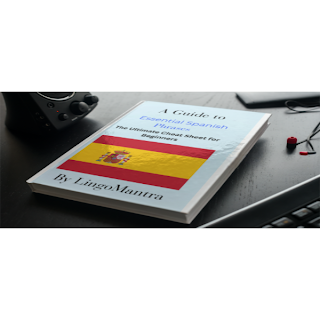
    Master over 100+ critical everyday conversations naturally with our Premium 6-Page Spanish Survival Cheat Sheet built explicitly for absolute beginners.
    What is Included in Your Guide:
    • The most vital, high-yield phrases for travel and daily life.
    • Exact English phonetic pronunciation guides mapped out for every single line.
    • A highly scannable, clean layout designed for fast retrieval when talking to native speakers.
    Grab your instant digital copy right now for less than the cost of a cup of coffee! ☕ 👇
    👉 Click Here to Get Instant Access to the Premium Guide


  • Por vs. Para: Can You Get All of them Right?

    If “por” and “para” still confuse you, don’t worry—you’re about to fix that.

    You may already know that both por and para can sometimes mean “for” in English.

    And that’s exactly what makes them tricky.

    But here’s the good news:

    You don’t need to memorize dozens of complicated grammar rules.

    Instead, learn one simple idea:

    🧠 POR = the route, reason, exchange, or duration

    🎯 PARA = the destination, goal, recipient, or deadline

    Now let’s see if you can use them correctly.


    🎯 Before You Learn the Rules… Take the Challenge!

    Don’t scroll down yet.

    Choose POR or PARA for each sentence.

    1️⃣

    Estudié español ___ dos horas.

    A) por
    B) para

    2️⃣

    Este regalo es ___ ti.

    A) por
    B) para

    3️⃣

    Gracias ___ tu ayuda.

    A) por
    B) para

    4️⃣

    Salimos ___ Madrid mañana.

    A) por
    B) para

    5️⃣

    La tarea es ___ el lunes.

    A) por
    B) para

    Write down your answers.

    Don’t check the answers yet!

    You’ll find out how you did as you move through the lesson.


    🧠 The Secret Behind POR vs. PARA

    Here’s the easiest way to start thinking about them.

    🔄 Think POR = the journey

    POR often focuses on the reason, route, exchange, or amount of time involved in an action.

    🎯 Think PARA = the destination

    PARA often points toward a goal, destination, recipient, or deadline.

    Think:

    POR → Why? Through what? For how long?

    PARA → Where to? For whom? By when? For what purpose?

    This simple mental picture will make the rules much easier to remember.


    🔵 POR: When Do You Use It?

    Let’s break it down with simple examples.

    1. ⏱️ Duration

    Use por when talking about how long something lasts.

    🇪🇸 Estudié español por dos horas.

    🇬🇧 I studied Spanish for two hours.

    The focus is the duration.

    Remember:

    POR + length of time

    por dos horas

    por una semana

    por tres días


    2. ❤️ Cause or Reason

    Use por when you’re explaining why something happened.

    🇪🇸 Lo hizo por amor.

    🇬🇧 He did it for love.

    Here, amor is the reason or motivation.

    Another example:

    🇪🇸 Lo hice por ti.

    🇬🇧 I did it because of you / for your sake.


    3. 🚶 Movement Through a Place

    Use por when describing movement through, around, or along an area.

    🇪🇸 Caminamos por el centro de la ciudad.

    🇬🇧 We walked through the city center.

    Think of por as describing the route.

    You are moving through an area rather than heading toward it as a destination.


    4. 📱 Means of Communication

    Use por with many forms of communication.

    🇪🇸 Hablamos por teléfono.

    🇬🇧 We spoke by phone.

    🇪🇸 Te escribí por WhatsApp.

    🇬🇧 I wrote to you on WhatsApp.

    The idea is the means or channel used to communicate.


    5. 💰 Exchange or Price

    Use por when talking about an exchange or the price paid for something.

    🇪🇸 Pagué cincuenta dólares por los zapatos.

    🇬🇧 I paid fifty dollars for the shoes.

    🇪🇸 Gracias por el regalo.

    🇬🇧 Thank you for the gift.

    🧠 Easy connection:

    Exchange → POR

    Price → POR

    Thanks → POR


    🟢 PARA: When Do You Use It?

    Now let’s switch direction.

    Think destination → goal → recipient → deadline.


    1. 📍 Destination

    Use para when you’re heading toward a destination.

    🇪🇸 Salgo para Madrid mañana.

    🇬🇧 I’m leaving for Madrid tomorrow.

    Here, Madrid is the destination.

    🧠 Remember:

    Going toward a destination → PARA


    2. 🎁 Recipient

    Use para when something is intended for a person.

    🇪🇸 Este regalo es para ti.

    🇬🇧 This gift is for you.

    🇪🇸 Este mensaje es para María.

    🇬🇧 This message is for María.

    Think:

    Who is going to receive it? → PARA


    3. 📅 Deadline

    Use para when something is due by a specific date or time.

    🇪🇸 La tarea es para el lunes.

    🇬🇧 The homework is due for Monday.

    🇪🇸 Necesito el informe para mañana.

    🇬🇧 I need the report by tomorrow.

    🧠 Easy trick:

    Specific deadline → PARA


    4. 🎯 Purpose

    Use para + infinitive to express the purpose of an action.

    🇪🇸 Estudio mucho para aprender español.

    🇬🇧 I study a lot in order to learn Spanish.

    🇪🇸 Trabajo para ahorrar dinero.

    🇬🇧 I work in order to save money.

    Ask yourself:

    “Why am I doing this?”

    If you’re expressing the purpose or goal, para is often the answer.


    🚨 The 5 POR vs. PARA Traps You Must Know

    These are the mistakes that commonly confuse learners.

    🚨 Trap #1: “Leaving FOR a Place”

    English says:

    I’m leaving for Madrid.

    Spanish:

    🇪🇸 Salgo para Madrid.

    Not:

    ❌ Salgo por Madrid.

    Why?

    Because Madrid is the destination.

    Destination → PARA


    🚨 Trap #2: “Thank You FOR…”

    This one catches many beginners.

    🇪🇸 Gracias por tu ayuda.

    🇬🇧 Thank you for your help.

    Not:

    ❌ Gracias para tu ayuda.

    When you’re expressing gratitude for something, use:

    Gracias POR…


    🚨 Trap #3: Working FOR Someone

    Compare these:

    🇪🇸 Trabajo para Google.

    🇬🇧 I work for Google.

    Here, Google is the organization you work for.

    But:

    🇪🇸 Trabajo por Carlos.

    can mean you’re working instead of / on behalf of Carlos, depending on context.

    🧠 The difference:

    para → employer / intended organization

    por → substitution / acting in someone’s place


    🚨 Trap #4: “By” in Passive Sentences

    English uses “by” in passive sentences.

    Spanish commonly uses por.

    🇪🇸 El libro fue escrito por Gabriel García Márquez.

    🇬🇧 The book was written by Gabriel García Márquez.

    So remember:

    Passive action + person who performed it → POR


    🚨 Trap #5: Duration vs. Deadline

    This is one of the most useful distinctions.

    Duration:

    🇪🇸 Estudié por tres horas.

    🇬🇧 I studied for three hours.

    → POR

    Deadline:

    🇪🇸 La tarea es para el viernes.

    🇬🇧 The homework is due by Friday.

    → PARA

    🧠 Memory trick:

    How long? → POR

    By when? → PARA


    🎮 Level 2: Don’t Look at the Answers!

    You’ve learned the rules.

    Now let’s see if you can actually use them.

    Choose POR or PARA.

    1.

    🇪🇸 Compré estos zapatos ___ cincuenta dólares.

    A) por
    B) para


    2.

    🇪🇸 Este informe es ___ mi jefe.

    A) por
    B) para


    3.

    🇪🇸 Caminamos ___ el centro de la ciudad.

    A) por
    B) para


    4.

    🇪🇸 Trabajo ___ una empresa internacional.

    A) por
    B) para


    5.

    🇪🇸 Estudio español ___ aprender más rápido.

    A) por
    B) para


    6.

    🇪🇸 Hablamos ___ teléfono.

    A) por
    B) para


    7.

    🇪🇸 Necesito terminar esto ___ mañana.

    A) por
    B) para


    8.

    🇪🇸 Gracias ___ todo.

    A) por
    B) para


    🔓 Answers

    Don’t worry if you missed a few.

    1. POR ✅

    Compré estos zapatos por cincuenta dólares.

    Price / exchange → POR

    2. PARA ✅

    Este informe es para mi jefe.

    Recipient → PARA

    3. POR ✅

    Caminamos por el centro de la ciudad.

    Movement through an area → POR

    4. PARA ✅

    Trabajo para una empresa internacional.

    Employer / organization → PARA

    5. PARA ✅

    Estudio español para aprender más rápido.

    Purpose → PARA

    6. POR ✅

    Hablamos por teléfono.

    Means of communication → POR

    7. PARA ✅

    Necesito terminar esto para mañana.

    Deadline → PARA

    8. POR ✅

    Gracias por todo.

    Gratitude → POR


    🏆 What’s Your Score?

    8/8 → 🏆 POR vs. PARA Master

    You nailed it!

    6–7/8 → 🔥 Very Strong

    You’re getting the difference.

    4–5/8 → 👍 Good Progress

    Review the mental shortcut once more.

    0–3/8 → 📚 Don’t Give Up

    POR vs. PARA takes practice. Try the quiz again after reviewing the examples.


    ⚡ The 10-Second POR vs. PARA Cheat Code

    When you’re stuck, ask yourself these questions:

    🔵 POR

    How long?

    Why?

    Through where?

    By what means?

    What was exchanged?

    If the answer fits one of these ideas, think POR.


    🟢 PARA

    Where to?

    For whom?

    By when?

    For what purpose?

    If the answer points toward a destination, recipient, deadline, or goal, think PARA.


    🧠 Final Memory Test

    Before leaving this page, complete these without looking back.

    I studied for two hours.

    🇪🇸 Estudié ___ dos horas.

    This gift is for you.

    🇪🇸 Este regalo es ___ ti.

    I am leaving for Madrid.

    🇪🇸 Salgo ___ Madrid.

    Thank you for your help.

    🇪🇸 Gracias ___ tu ayuda.

    I study to learn Spanish.

    🇪🇸 Estudio ___ aprender español.

    Now check:

    ✅ Answers

    por

    para

    para

    por

    para

    If you got all five, you’ve got the core idea!


    🎯 One Last Challenge

    Can you explain the difference between these two sentences?

    🇪🇸 Caminamos por Madrid.

    🇪🇸 Salimos para Madrid.

    They’re both about Madrid.

    So why is the preposition different?

    💡 Think about it…

    Caminamos por Madrid

    → We walked around/through Madrid.

    Salimos para Madrid

    → We left for Madrid.

    🔥 That’s the key!

    POR = route / movement through

    PARA = destination

    Once you start thinking about the relationship between the action and the place, POR vs. PARA becomes much easier.


    📚 Ready for Your Next Spanish Challenge?

    If you enjoyed this lesson, don’t stop at grammar.

    Spanish becomes much more interesting when you start learning similar words, synonyms, and regional vocabulary.

    👉 Test Your Spanish Vocabulary: What Is the Synonym of “Eficaz”? →

    Can you choose between útil and efectivo?

    Take the challenge and see whether your Spanish vocabulary is really as strong as you think!


    🇪🇸 Keep Practicing

    Don’t try to memorize everything today.

    Instead:

    Learn → Understand → Test → Repeat

    The more you see por and para in real Spanish sentences, the more naturally the difference will start to feel.

    ¡Sigue aprendiendo! 🇪🇸

    ¡Hasta pronto!

  • 5 Essential Spanish Words for Beginners (with Meanings)

    Learn Your First Spanish Words in Minutes!

    Imagine you’re visiting Spain for the first time.

    You walk into a café.

    You want to greet someone, order something, thank them, and ask how much it costs.

    Do you need to know hundreds of Spanish words?

    Nope. 😎

    You can start with just a few essential words and phrases.

    In this guide, you’ll learn 5 practical Spanish expressions that can help you in everyday situations—from saying hello to asking about a price.

    And there’s a little challenge waiting for you at the end. 👀

    Let’s start!


    🇪🇸 1. Hola — Hello

    Hola

    Meaning: Hello

    Pronunciation: OH-lah

    💡 Important: The H is silent in Spanish.

    So don’t say:

    ❌ HOH-lah

    Say:

    ✅ OH-lah

    When can you use it?

    Almost anytime.

    You can say hola to:

    • Friends
    • Family
    • People you meet
    • Shopkeepers
    • Someone you’re starting a conversation with

    For example:

    Hola, ¿cómo estás?

    = Hello, how are you?

    🧠 Easy memory trick

    Think:

    Hola = Hello

    Both start with an O sound when pronounced.


    🇪🇸 2. Gracias — Thank You

    Gracias

    Meaning: Thank you

    Pronunciation: GRAH-syahs

    This is one of the most useful Spanish words you’ll ever learn.

    Someone helps you?

    Gracias.

    Someone gives you your food?

    Gracias.

    Someone holds the door open?

    Gracias.

    It’s simple—but very important.

    Want to say “Thank you very much”?

    Say:

    Muchas gracias

    Meaning: Thank you very much

    Pronunciation: MOO-chahs GRAH-syahs


    🇪🇸 3. Por favor — Please

    Por favor

    Meaning: Please

    Pronunciation: por fah-VOR

    This is your go-to phrase whenever you want to make a polite request.

    For example:

    Un café, por favor.

    = A coffee, please.

    Or:

    Agua, por favor.

    = Water, please.

    🧠 Remember:

    Gracias = Thank you

    Por favor = Please

    These two should be among the first Spanish expressions you memorise.


    🇪🇸 4. Adiós — Goodbye

    Adiós

    Meaning: Goodbye

    Pronunciation: ah-DYOS

    When it’s time to leave, you can simply say:

    Adiós!

    But Spanish gives you another useful option.

    Hasta luego

    Meaning: See you later

    Pronunciation: AH-stah LWEH-goh

    So:

    Adiós → Goodbye

    Hasta luego → See you later

    Both are useful, but hasta luego is especially handy when you expect to see the person again.


    🇪🇸 5. ¿Cuánto cuesta? — How Much Does It Cost?

    Now let’s learn a phrase that can be incredibly useful when travelling.

    ¿Cuánto cuesta?

    Meaning: How much does it cost?

    Pronunciation: KWAHN-toh KWEHS-tah

    Imagine you’re at a market and see something you want to buy.

    You can simply ask:

    ¿Cuánto cuesta?

    The seller can then tell you the price.

    You can use this phrase when shopping for:

    🛍️ Clothes
    🥖 Food
    🎁 Souvenirs
    ☕ Drinks
    🎟️ Tickets

    🧠 Quick memory trick

    Cuánto = how much

    cuesta = costs

    So:

    ¿Cuánto cuesta? = How much does it cost?


    🎯 Can You Remember Them?

    Let’s see how much you remember without looking back.

    How do you say “Hello”?

    A) Gracias
    B) Hola
    C) Adiós


    How do you say “Thank you”?

    A) Gracias
    B) Por favor
    C) Hola


    How do you say “Please”?

    A) Adiós
    B) Hola
    C) Por favor


    How do you say “Goodbye”?

    A) Gracias
    B) Adiós
    C) Cuánto


    How do you ask “How much does it cost?”

    A) ¿Cuánto cuesta?
    B) Muchas gracias
    C) Hasta luego

    Don’t scroll yet.

    Try to answer all five first! 👀

    👇

    👇

    👇

    🏆 Answer Key

    1. Hola ✅

    Hello

    2. Gracias ✅

    Thank you

    3. Por favor ✅

    Please

    4. Adiós ✅

    Goodbye

    5. ¿Cuánto cuesta? ✅

    How much does it cost?


    🏅 What’s Your Score?

    🔥 5/5

    ¡Excelente!

    You’re off to a great start.

    👍 3–4/5

    Very good!

    Review the ones you missed once more.

    💪 1–2/5

    No problem.

    Read the examples aloud and try the quiz again.

    😄 0/5

    Don’t worry!

    You’re here to learn, not to be perfect.

    Try the quiz one more time after reviewing the five expressions.


    🗣️ Don’t Just Read Spanish—Use It!

    Reading a word once isn’t enough.

    Try this tiny conversation:

    A: Hola!

    B: Hola!

    A: Un café, por favor.

    B: ¡Claro!

    A: Gracias.

    B: ¡De nada!

    You’ve just created a tiny Spanish conversation using words you learned in this article.

    That’s the goal.

    Learn → Speak → Repeat


    💡 3 Easy Ways to Practise Spanish Every Day

    Learning vocabulary becomes much easier when you turn it into a daily habit.


    1️⃣ Speak Out Loud

    Don’t just read:

    Hola

    Say it.

    Don’t just look at:

    Gracias

    Say it.

    Your mouth needs practice too—not just your eyes.

    Try saying all five expressions aloud twice a day.


    2️⃣ Label Things Around You

    Put small notes around your room.

    For example:

    la puerta — door

    la mesa — table

    el libro — book

    Every time you see the object, try to remember its Spanish word.

    This turns ordinary surroundings into a mini Spanish classroom.


    3️⃣ Think in Spanish

    The next time you want to say:

    “Thank you.”

    Pause.

    Think:

    Gracias.

    Someone says hello?

    Think:

    Hola.

    You want to ask the price?

    Think:

    ¿Cuánto cuesta?

    These tiny mental exercises can help Spanish vocabulary become more automatic.


    🚀 Ready for the Next Step?

    These five expressions are just the beginning.

    Now that you know some basic Spanish, your next goal should be building a larger everyday vocabulary.

    👉 [Por vs Para Difference]

    Confused about “por” and “para” in Spanish? Learn the simple difference with easy examples in our beginner-friendly guide.


    📌 Your 5 Spanish Essentials

    Save these somewhere you can see them:

    🇪🇸 Hola — Hello
    🇪🇸 Gracias — Thank you
    🇪🇸 Por favor — Please
    🇪🇸 Adiós — Goodbye
    🇪🇸 ¿Cuánto cuesta? — How much does it cost?

    Can you say all five without looking?

    If yes, you’re ready for the next lesson. 🎯


    ❤️ Final Challenge

    Imagine you’re travelling in a Spanish-speaking country.

    Someone greets you.

    What do you say?

    Hola! 👋

    They help you.

    What do you say?

    Gracias! 😊

    You want to ask for something politely.

    What do you say?

    Por favor. 🙏

    You’re leaving.

    What do you say?

    Adiós! 👋

    You see something you want to buy.

    What do you ask?

    ¿Cuánto cuesta? 💶

    See?

    You already have the foundation for several real-life interactions in Spanish.

    You don’t need to know everything before you start speaking.

    🇪🇸 Start small. Speak often. Keep learning.

    ¡Buena suerte!