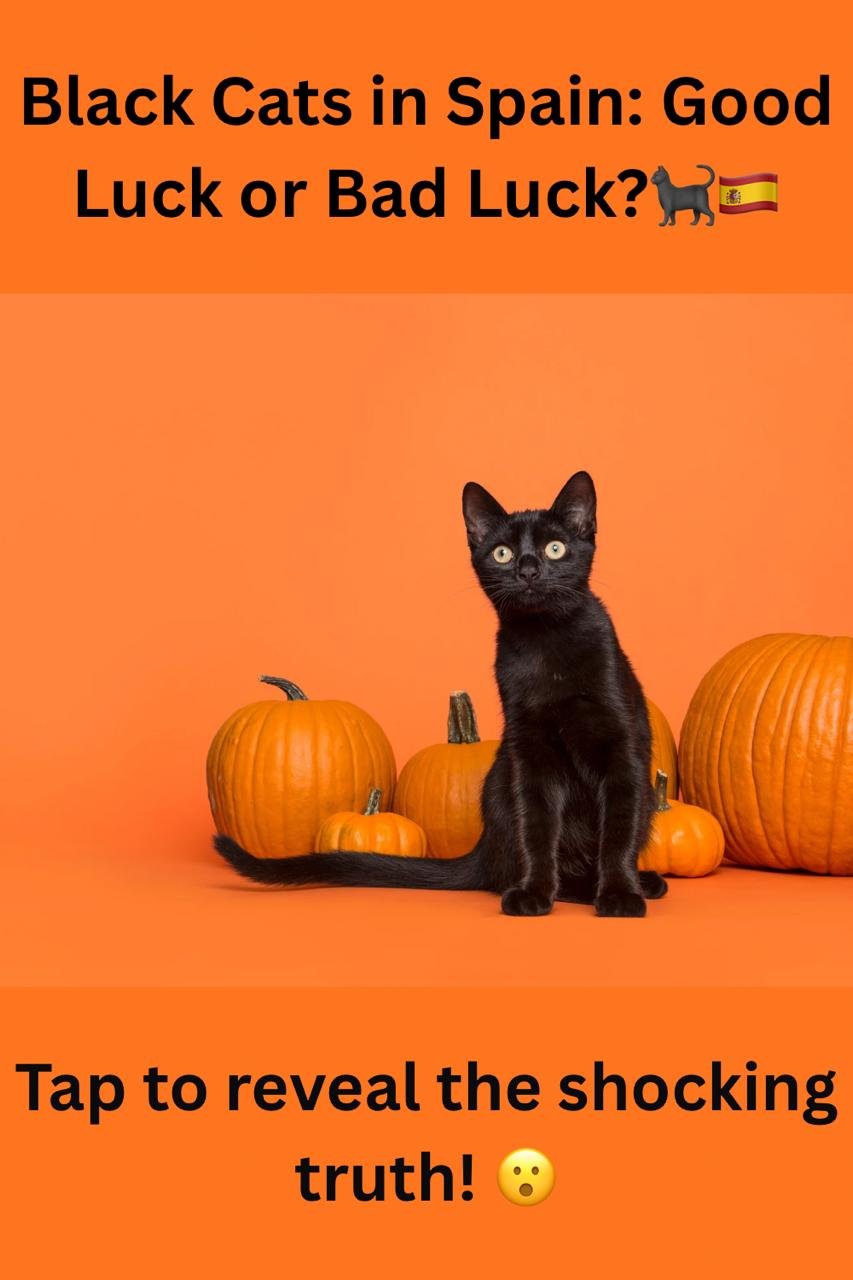
🐈⬛ YOU SEE A BLACK CAT… BUT CAN YOU SAY IT IN SPANISH?
Stop for 5 seconds. Don’t scroll yet! 👀
Imagine you’re walking down the street when a black cat suddenly crosses in front of you.
You want to tell your Spanish-speaking friend:
“I saw a black cat.”
Which sentence would you choose?
🎯 Your 5-Second Spanish Challenge
A. Vi un gato negro.
B. Vi un gato blanco.
C. Vi una gata roja.
⏱️ Pick your answer now.
Don’t check the answer yet.
There’s a small Spanish grammar trick hiding in this challenge—and if you notice it, you’ll understand why negro sometimes becomes negra.
And the black cat itself has an interesting story.
In parts of Spain and Europe, black cats have traditionally been connected with luck and superstition. But does un gato negro actually mean “bad luck” in Spanish?
Not quite.
Keep reading and you’ll discover the difference between the literal Spanish meaning and the cultural idea behind it.
By the end, you’ll be able to:
🐈 Say black cat naturally in Spanish
🖤 Understand negro vs. negra
🍀 Say good luck and bad luck
🗣️ Build simple sentences about a cat
🇪🇸 Understand the cultural connection between black cats and superstition
🧠 Test yourself with quick Spanish challenges
Ready? Let’s find out whether your answer was correct.
🐈⬛ First Clue: What Does “Gato Negro” Mean?
Let’s start with the phrase at the heart of today’s lesson:
un gato negro
It means:
a black cat
Here’s the simple breakdown:
un = a
gato = cat
negro = black
You can approximately pronounce it as:
oon GAH-toh NEH-groh
But there’s something interesting here.
English puts the adjective before the noun:
Spanish commonly puts it after the noun:
gato negro
So you’re essentially learning:
cat + black
This is one of those small differences that becomes much easier once you see it in real Spanish.
And now we’re ready to reveal your first answer.
🎯 Correct answer: A. Vi un gato negro.
vi = I saw
un = a
gato = cat
negro = black
So:
Vi un gato negro.
= I saw a black cat.
But don’t stop here.
Because that little word negro is about to change. 👀
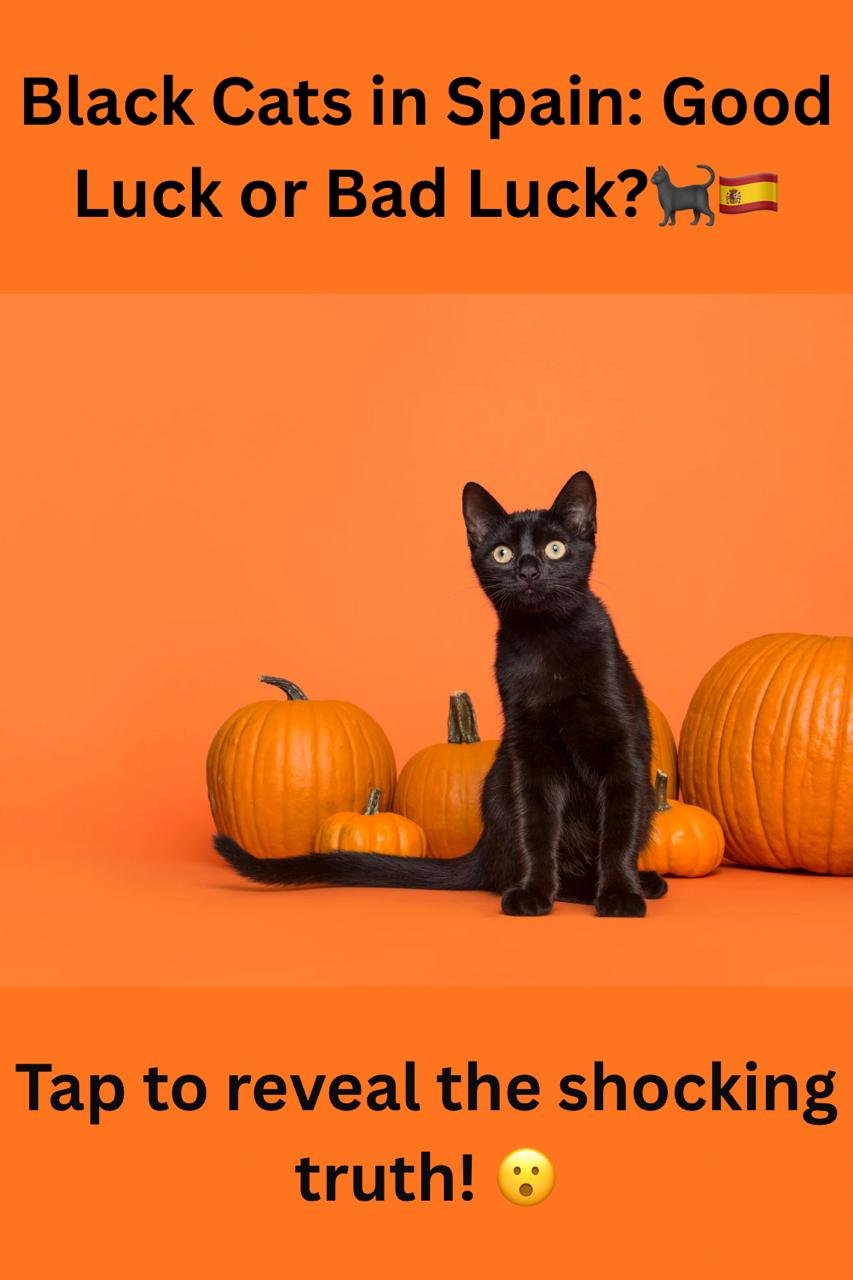
🧠 Negro or Negra? Here’s the Little Trick
Imagine the cat is male.
You can say:
un gato negro
But imagine you’re talking about a female cat.
Now you would say:
una gata negra
Notice what changed?
gato → gata
and:
negro → negra
This happens because Spanish adjectives often agree with the noun they describe.
So the pattern is:
gato → negro
gata → negra
It’s a small change, but it’s extremely useful for beginners.
Instead of memorizing:
negro = black
try learning:
gato negro
and:
gata negra
Now you’re learning vocabulary and grammar together.
🔎 Can You Spot the Correct Spanish?
Let’s see if you’ve understood the pattern.
Which phrase means:
“a black shirt”
A. una camisa negro
B. una camisa negra
C. un camisa negra
Think carefully.
👇
✅ Answer: B. una camisa negra
Why?
camisa is feminine, so the adjective becomes:
negra
You can see the same idea in:
un coche negro
= a black car
una casa negra
= a black house
You don’t need to memorize dozens of grammar rules right now.
Just watch how the adjective matches the noun.
🍀 Now Let’s Talk About Luck
Here’s where our black cat becomes more interesting.
The Spanish word for luck is:
suerte
And there are two expressions you’ll definitely want to remember.
🍀 Buena suerte
Good luck
And:
😬 Mala suerte
Bad luck
It’s simple:
buena = good
mala = bad
suerte = luck
So if your friend has an important exam, you can say:
¡Buena suerte en tu examen!
Good luck on your exam!
And if something unfortunate happens, you might hear:
¡Qué mala suerte!
What bad luck!
Now you’ve got some Spanish you can actually use outside this lesson.
🐈⬛ So… Why Are Black Cats Connected With Bad Luck?
Now let’s return to our black cat.
Black cats have traditionally been associated with bad luck and superstition in Spain and other parts of Europe.
But there’s an important detail here.
This is a cultural superstition, not a scientific fact.
And saying:
“Black cats are bad luck in Spain.”
can make the idea sound much more universal than it really is.
People don’t all think the same way.
Some people may know the traditional superstition but not believe it.
Others may simply see a black cat and think:
¡Qué bonito!
How cute!
That’s why it’s useful to separate:
the Spanish word
from:
the cultural belief connected to it.
un gato negro
literally means:
a black cat
It does not literally mean:
bad luck
The superstition is an additional cultural association.
🌍 One Word, One Culture… But Not One Meaning
This is one of the most useful things to understand when learning a language.
Words don’t exist in isolation.
Culture affects how people understand symbols, expressions and situations.
A black cat might appear in a Halloween decoration.
It might appear in a superstition.
Or it might simply be someone’s pet.
So if you hear:
Vi un gato negro.
the speaker is simply saying:
I saw a black cat.
You shouldn’t automatically assume they mean:
I had bad luck.
Context tells you much more.
This is also why learning a language can be more interesting than simply memorizing vocabulary lists.
You aren’t just learning words.
You’re learning how those words fit into real life.
🗣️ Let’s Build a Tiny Spanish Conversation
Imagine you’re walking down a street with a Spanish-speaking friend.
Suddenly, a black cat appears.
You point at it and say:
¡Mira! Un gato negro.
Look! A black cat.
Your friend smiles:
¡Qué bonito!
How cute!
Then you ask:
¿Trae mala suerte?
Does it bring bad luck?
Your friend might answer:
No lo sé.
I don’t know.
Or:
No creo.
I don’t think so.
Look how much Spanish you’ve learned from one tiny situation.
mira = look
qué bonito = how cute
trae = brings
mala suerte = bad luck
no lo sé = I don’t know
no creo = I don’t think so
That’s much more useful than learning ten unrelated words.
🎯 Quick Challenge: What Does “Trae” Mean?
You just saw:
¿Trae mala suerte?
What does trae mean?
A. sees
B. brings
C. crosses
Take a moment.
👇
✅ Answer: B. brings
The infinitive is:
traer
= to bring
And:
trae
= brings
So:
¿Trae mala suerte?
means:
Does it bring bad luck?
You’ve just picked up a new Spanish verb from context.
🚶 The Cat Keeps Walking…
The cat doesn’t care about the superstition.
It simply continues across the street. 😄
You can describe what happens:
El gato cruzó la calle.
The cat crossed the street.
The verb is:
cruzar
= to cross
And:
la calle
= the street
Now you can combine your Spanish naturally:
¡Mira! Un gato negro.
Look! A black cat.
El gato cruzó la calle.
The cat crossed the street.
¿Trae mala suerte?
Does it bring bad luck?
That’s already a tiny Spanish story.
🧩 A Useful Grammar Pattern to Remember
Let’s take one final look at the adjective pattern—but from a different angle.
Masculine
un gato negro
un coche negro
un sombrero negro
Feminine
una gata negra
una camisa negra
una casa negra
The important thing isn’t just memorizing negro = black.
It’s noticing the pattern:
-o → -a
when the adjective changes from masculine to feminine.
This same kind of agreement appears with many common Spanish adjectives.
Once you start noticing it, Spanish sentences become easier to decode.
🧠 Final Spanish Challenge
Let’s see what you remember.
Challenge 1
How do you say:
“Good luck!”
A. Mala suerte
B. Buena suerte
C. Gato suerte
Challenge 2
Which one is correct?
A. una gata negro
B. un gato negra
C. una gata negra
Challenge 3
What does this sentence mean?
El gato cruzó la calle.
A. The cat crossed the street.
B. The cat brought bad luck.
C. The cat saw the street.
Take a few seconds before checking.
👇
👇
👇
✅ Answers
1. B — Buena suerte
Good luck!
2. C — una gata negra
A female cat + feminine adjective.
3. A — The cat crossed the street.
How many did you get right?
One More Spanish Word That Can Surprise Travelers
Here’s another reason Spanish learners need to think beyond simple translations.
Some Spanish words can be completely normal in one Spanish-speaking country but have a very different—and sometimes vulgar—meaning somewhere else.
One famous example is:
coger
In Spain, coger is a normal everyday verb meaning to take, catch, or grab, depending on context.
However, in several Latin American varieties of Spanish, it can have a vulgar sexual meaning.
That makes it an important word to understand before using it casually while traveling.
👉 [Spanish Warning: Be Careful With “Coger” in Latin America!]
It’s a perfect reminder that learning Spanish isn’t only about asking:
“What does this word mean?”
A better question is:
“Where and how is this word used?”
🐈⬛ What Did You Learn Today?
You came here because of a black cat.
But you learned much more than one vocabulary phrase.
Spanish words to remember:
🐈 gato = cat
🐈 gata = female cat
🖤 negro / negra = black
🍀 suerte = luck
😊 buena suerte = good luck
😬 mala suerte = bad luck
🚶 cruzar = to cross
👜 traer = to bring
And these useful sentences:
¡Mira! Un gato negro.
Look! A black cat.
¿Trae mala suerte?
Does it bring bad luck?
El gato cruzó la calle.
The cat crossed the street.
¡Buena suerte!
Good luck!
Most importantly, remember the little grammar trick:
gato negro
gata negra
That tiny change from -o to -a helps you understand how Spanish adjectives agree with nouns.
And what about the original mystery?
🐈⬛ Vi un gato negro.
Yes—that means:
I saw a black cat.
As for whether that means good luck or bad luck?
That’s where language ends and culture begins.
So the next time you see a black cat, you can simply say:
¡Mira! Un gato negro! 🐈⬛🇪🇸
And if you’re ready for another Spanish word with a surprising cultural difference, check out the “coger” lesson above.
Leave a Reply